Introduction: The Rise of Multimodal AI – Chatting with Your Images
Communicating with artificial intelligence used to mean typing out questions or commands. Now, it’s expanding into something far more vivid: sharing photos and getting thoughtful responses about them. Picture this—you snap a shot on your phone, upload it, and the AI breaks down what’s happening, fields your questions, or spins up a story inspired by the scene. That’s the essence of multimodal AI, where systems handle not just words but images, text, and occasionally sound or video too. If you’re hunting for an AI you can send pictures to, the options out there feel downright thrilling these days. In this guide, we’ll walk through the standout platforms and tools that let you dig into visuals for sharper insights or fresh ideas, changing the way we connect with tech and everything it reveals about our surroundings.
Whether it’s everyday chatbots or dedicated image AI setups, these options are pushing boundaries. They turn your photos into conversation starters, delivering everything from straightforward breakdowns to inventive outputs. As we get into the details, expect to learn about the frontrunners, how they pull off their tricks, real-world uses, and tips for picking what fits your style.
Top AI Platforms Where You Can Send Pictures To

Tools that make sense of images are popping up everywhere, and a handful of leaders are delivering solid multimodal features. They differ in what they emphasize—whether deep dives or user-friendly setups—but they all nail the basics of working with visuals.
ChatGPT (GPT-4V) – The Gold Standard for Visual AI

OpenAI’s ChatGPT, running on the cutting-edge GPT-4V (Vision) model, leads the pack in multimodal smarts. It picks up on intricate details, like hidden contexts or faint hints in a photo, that others might miss. Drop in an image, and you could get a full rundown, spot specific items, unpack a chart, or even have it whip up code from a rough sketch. What sets it apart is blending those visuals with its encyclopedic language skills, yielding responses that feel insightful and inventive rather than rote. Keep in mind, though, it sticks to still shots for now—no live video processing yet.
Google Bard (Gemini Pro) – Visionary Insights from Google

Google’s Bard, upgraded with the Gemini Pro model, brings sharp visual processing right into its chat framework, tied neatly to Google’s broader world. Upload a pic, and ask away—maybe identify a flower in your garden, decode a tricky graph, or riff on ideas from a collection of images. It shines in context, often pulling from Google Search or Lens for spot-on, current info. That makes it ideal for everything from idle curiosity to serious digging, especially when visuals tie into everyday searches.
Microsoft Copilot (formerly Bing Chat) – Your AI Assistant with Visual Smarts

Microsoft’s Copilot, evolved from Bing Chat, weaves in GPT-4‘s vision powers to create a handy all-around assistant. Jump in via your browser or Windows setup, upload an image, and pose queries—from naming a distant building to crafting a post for Instagram. The real edge comes from its web ties, letting it layer in extra details like history, updates, or shopping links. So it doesn’t just explain; it connects the dots to broader info, perfect for fast checks or deeper explorations.
Specialized Image AI Tools (DeepAI, Hix.ai, AICado, etc.)

Big chatbots cover a lot of ground, but narrower image AI options zero in on particular jobs. Take DeepAI: it handles image creation, style swaps, and basic chats with pics, with free access for starters. AICado.ai keeps things simple and often free image analysis online, where you upload and get a solid breakdown—no fancy wording needed. Hix.ai, mainly for writing, lets you feed in images to shape text, like turning a photo into a draft. They’re great if you want targeted help without the full chat experience.
Other Emerging & Niche AI Models (e.g., Stable Diffusion/Midjourney with visual input capabilities, Swipey AI)
Visual AI keeps evolving, with generation-focused models now accepting images as guides, plus niche players exploring fresh angles. Stable Diffusion and Midjourney, famous for creating art, are adding ways to tweak or transform your uploads—like turning a photo into a stylized version. Artists and hobbyists love starting with their own visuals to steer the results.
On the more tailored side, something like Swipey AI steps things up. It’s built as an advanced NSFW AI companion, using emotional depth and custom roleplay, where your images amp up the realism and connection. This shows how visuals can fuel not just analysis but immersive, personal exchanges. These specialized takes reveal AI’s growing range, from quick reads to thoughtful, user-specific engagements that redefine visual chats.
How Does AI Understand Your Pictures? (Simplified Technical Dive)
Ever wonder how an AI seems to “get” an image, almost like a friend glancing at your phone? It’s no sorcery—it’s clever tech at work. When you upload a picture, the AI doesn’t perceive it through eyes; it translates it into numbers first.
Typically, it slices the image into pixels, then pulls out traits like outlines, hues, patterns, and forms. Those get boiled down into dense numerical codes called visual embeddings—essentially, a digital signature that sums up the image’s vibe. It’s similar to how words become tokens in language models. From there, multimodal setups link these visual codes to text ideas, building a layered grasp of meaning.
These multimodal models train on huge collections of image-text pairs, learning to connect sights to words. Your upload’s embeddings get matched against that knowledge, enabling image recognition for objects, settings, or even vibes. The outcome? Text that’s on point, answers to your questions, or other actions tied to the visual. We’ve skimmed the surface here, but it hints at the intricate machinery driving these smart visual talks.
Practical Applications: What Can You Do When You Send Pictures to AI?
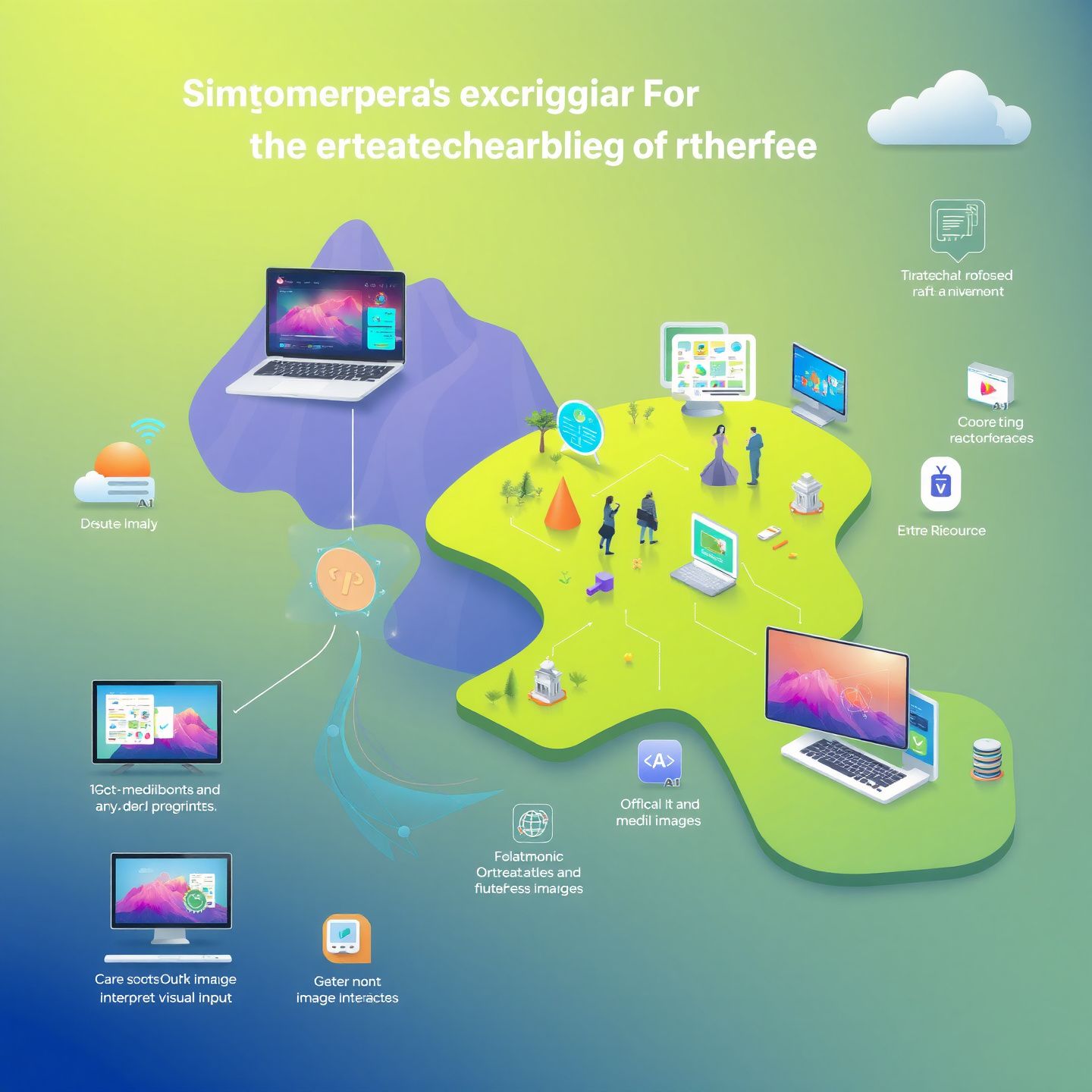
Sending images to an AI you can send pictures to isn’t just a gimmick—it’s a versatile skill with real payoff across daily life and work. These platforms open doors to both hands-on tasks and imaginative leaps, reshaping our handle on visuals.
Image Description & Visual Q&A
At its simplest, you hand over a photo and say, “Tell me about this.” The AI delivers a clear narrative: what’s there, the backdrop, any action, even the atmosphere. Handy for decoding odd snapshots, creating alt text for websites, or just clarifying a moment. Push further with Visual Q&A—try “Is that a Labrador?” or “What city is this from?”—and it zeros in with specifics.
Content Generation & Ideation
Creatives find a goldmine here. Feed in a product image, and out come snappy captions or article outlines. A writer might share a landscape shot to spark a poem on the fading light or a plot twist around the figures in frame. Developers? Sketch a button layout on paper, upload it, and request the code to build it. It’s like having an instant collaborator for ideas.
Data Extraction & Analysis
Practical side: these AIs pull out hard facts. Through OCR, they read text from scans or bills, turning images into workable docs. Smarter ones spot items in crowds, sort them, or break down visuals like graphs—say, highlighting sales dips from a bar chart. Upload a messy table pic, and ask for the highlights; it condenses the numbers neatly.
Accessibility & Education
For inclusivity, visual AI steps up by voicing images richly, helping those with sight challenges navigate online worlds. In classrooms, it explains dense illustrations or old maps, making tough subjects click. Think of a student puzzled by a biology diagram—upload, query, and gain clarity. It levels the field for different ways of learning.
Creative & Professional Enhancements
Pros like designers upload concepts for quick feedback: Does this palette evoke calm? What tweaks for better flow? Photographers gauge emotional punch; shops assess images for shopper appeal. It’s a brainstorming boost, refining visuals with AI’s fresh eye.
Choosing the Right Visual AI: Factors to Consider
So many strong choices—how do you pick? Weigh them against what matters most to you, from precision to ease. The table below compares key players on essentials.
| Factor | ChatGPT (GPT-4V) | Google Bard (Gemini Pro) | Microsoft Copilot | Specialized Tools (e.g., DeepAI, AICado) |
|---|---|---|---|---|
| Accuracy & Nuance | Excellent; deep contextual understanding and complex reasoning. | Very Good; strong contextual understanding, great for real-world objects via Google Lens. | Good; reliable for general queries, benefits from web search integration. | Varies; highly accurate for specific tasks (e.g., object detection, description). |
| Speed & Efficiency | Generally fast, but can vary with complexity of image/query. | Very efficient, often designed for quick, integrated responses. | Quick, especially for web-assisted queries. | Can be very fast for single-purpose tasks. |
| Cost & Accessibility | Paid (ChatGPT Plus/Team); free tier often available for older models. | Free, accessible via web browser. | Free, integrated into Windows and web browsers. | Often offers a free tool tier for basic use; premium for advanced features. |
| Privacy & Data Security | Strong focus on data anonymization and user control; policies vary by plan. | Adheres to Google’s robust privacy policies; user data used for improvement. | Adheres to Microsoft’s privacy standards; data processing for service improvement. | Varies significantly by provider; check individual privacy policies carefully. |
| Integration | Web interface, API for developers. | Seamless with Google services. | Integrated into Microsoft ecosystem (Windows, Edge). | Often API-driven for developers, some offer web UIs. |
| Ethical Use | Emphasizes responsible AI, safety guidelines, and bias mitigation. | Committed to ethical AI principles, fairness, and safety. | Follows Microsoft’s responsible AI guidelines. | Varies; responsibility often falls on developers/users to ensure ethical application. |
Accuracy & Nuance
Not all AIs catch the fine points equally—subtle expressions or rare items can trip some up. For demanding work, lean toward ones like GPT-4V with proven accuracy and contextual understanding. Everyday spotting? Most will do fine.
Speed & Efficiency
Does it respond in seconds or drag? Crucial for on-the-fly use or batches of images. Modern ones are snappy overall, but niche tools might edge out on focused jobs.
Cost & Accessibility
Free basics abound, but paid plans bring extras like unlimited uploads or priority speed. Match it to your wallet and routine. Also think access: apps, sites, or developer hooks?
Privacy & Data Security
Sharing personal snaps? Scrutinize how data’s treated—storage, training use, anonymizing. Steer clear of sensitive or borrowed content, and pick services with solid safeguards.
Integration
Does it play nice with your setup? Bard’s Google links or Copilot’s Windows fit save time if you’re in those worlds already.
Ethical Use
Handle visual AI mindfully: watch for recognition biases, honor copyrights, skip anything risky. Good practices keep things safe and fair.
The Future of Sending Pictures to AI
Multimodal AI is speeding ahead, eyeing a world where visuals get even smarter handling. Static images are just the start—soon, expect fluid video breakdowns, with AI following motion, context, and shifts in real time.
Deeper contextual understanding looms, letting it guess motives, forecast from scenes, or read emotions in layers. Personalized assistants could curate feeds, advise on layouts, or sift research visuals at scale. Pair it with AR glasses for instant world annotations—spot a sign, get a translation overlay. As hardware advances, these features will reach more people, reshaping our visual encounters through AI.
Conclusion: Your Gateway to a Visually Intelligent Future
Multimodal AI bridges what we see and what machines grasp, letting you ping tools like ChatGPT, Google Bard, Microsoft Copilot, or niche sites with your photos for deep dives or sparks of genius. Need breakdowns, fresh writing, data pulls, or access aids? An AI you can send pictures to delivers.
With gains in precision, pace, and ethics ahead, the scope widens. Grasping their mechanics, strengths, and selection smarts lets you make the most. Dive in, test them out, and step into this visually sharp era—your images are waiting to talk back.
Is there an AI that you can send pictures to for free?
Yes, several AI tools offer free tiers or completely free services where you can send pictures for analysis. Google Bard (Gemini Pro) and Microsoft Copilot are generally free to use. Specialized tools like AICado.ai also often provide free image analysis online. However, these free versions may have usage limits or offer fewer advanced features compared to premium subscriptions.
Which AI chatbot offers the best image analysis capabilities?
For comprehensive and nuanced image analysis, ChatGPT with its GPT-4V model is often considered the gold standard. It excels at understanding complex scenes, answering detailed questions, and even generating creative content based on visual input. Google Bard (Gemini Pro) also offers excellent capabilities, particularly with its strong contextual understanding and integration with Google’s vast knowledge base.
Can I send pictures to AI from my phone (Android/iOS)?
Absolutely. Most major AI platforms, including ChatGPT, Google Bard, and Microsoft Copilot, offer mobile apps for both Android and iOS devices. These apps allow you to easily upload pictures directly from your phone’s gallery or camera, enabling you to interact with the AI on the go. Many specialized image AI tools also provide mobile-friendly web interfaces.
What kind of images can I send to AI? Are there any limitations?
You can generally send a wide variety of images, including photographs, screenshots, diagrams, charts, and even drawings. Most AIs support common formats like JPEG, PNG, and GIF. However, there are typically limitations regarding file size, image resolution, and sometimes the number of images you can upload per query. Additionally, AIs may struggle with extremely blurry, low-resolution, or highly abstract images, and there are often ethical guidelines against uploading explicit, illegal, or harmful content.
How do I protect my privacy when uploading pictures to AI?
To protect your privacy:
- Always read the AI service’s privacy policy to understand how your data is handled.
- Avoid uploading images containing sensitive personal information, identifiable individuals without consent, or proprietary data.
- Consider using anonymization tools or blurring sensitive areas in images before uploading.
- Use services that offer robust data encryption and clear data retention policies.
- Check if the service allows you to opt out of your data being used for model training.
Beyond descriptions, what are some creative uses for sending images to AI?
Beyond basic descriptions, you can use visual AI for:
- Generating social media captions, blog post ideas, or even short stories inspired by an image.
- Brainstorming design variations or color palettes based on a visual concept.
- Extracting text from images (OCR) for data entry or content creation.
- Getting explanations for complex diagrams or charts for educational purposes.
- Creating code snippets from UI mockups.
- Analyzing the mood or tone of an image for marketing and branding.
Will AI be able to analyze videos in the future?
The capability for AI to analyze videos is already emerging and rapidly advancing. While current mainstream multimodal AIs primarily focus on static images, research and development are heavily invested in real-time video analysis. This future will likely see AIs tracking objects, understanding dynamic events, interpreting gestures, and providing continuous contextual insights from video streams, impacting fields from security to entertainment and education.