
Introduction: The Rise of Sexual Roleplay AI – A New Frontier in Digital Intimacy

Digital interactions keep changing fast, pulling artificial intelligence into areas like companionship and closeness that go way beyond everyday tools. Take sexual roleplay AI: it’s this growing niche of smart chatbots built to dive into steamy talks and pretend romantic or sexual setups. Powered by clever algorithms, these AI partners craft lively, custom chats that hook people for all sorts of reasons—maybe just plain curiosity, a craving for judgment-free chats, or a secure way to test out hidden fantasies. But this tech boom doesn’t come without big questions about what it can do, the right and wrong of it all, and how it might shake up real human bonds. We’re diving in here to unpack that tangled world fairly and thoughtfully.
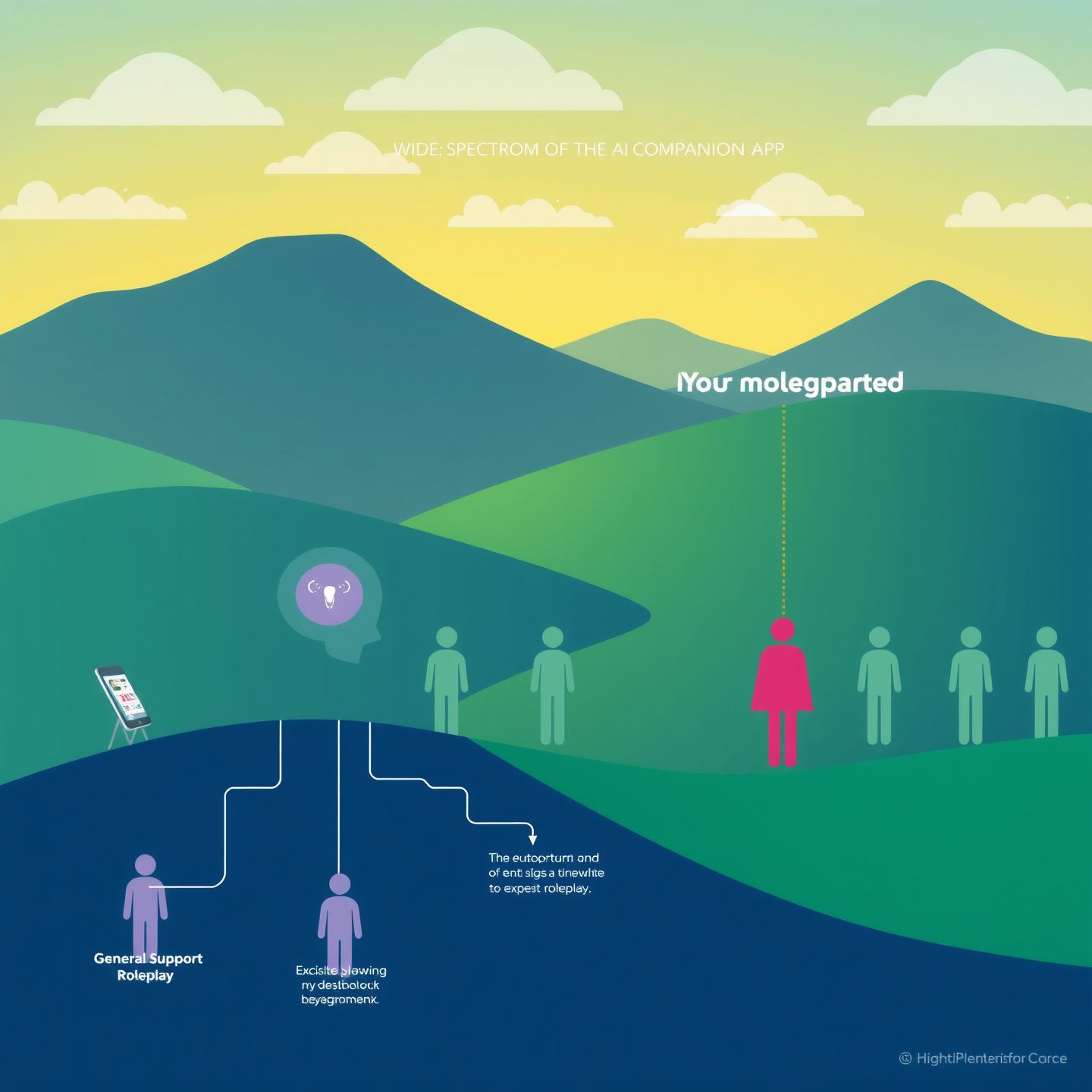
AI companion apps are popping up everywhere these days, flipping the script on how we chase connection. You start with basic bots that lend an ear for emotional stuff, then slide over to ones fine-tuned for bolder roleplay. It’s a wide range, really, and it pulls us to peek under the hood at the tech, the mindsets pushing people toward it, and the bigger talks about building and weaving this stuff into life without regrets.
What is Sexual Roleplay AI? Understanding the Technology
Sexual roleplay AI runs on cutting-edge artificial intelligence, mostly drawing from Large Language Models (LLMs). Trained on massive piles of text, these models get human language—grasping it, spitting out replies, all with a smooth, sensible flow. In roleplay mode, they spin up stories and back-and-forths that mimic close, charged encounters, tweaking on the fly to match what you say and keep things rolling.
Step up from those simple bots with their canned answers; this kind thrives on real-time back-and-forth. Natural language processing helps it decode your words, while generative AI whips up fresh, fitting responses that make every session feel like it’s yours alone, growing as you go. Picture an AI that slips into different roles, holds onto chat history, and builds a convincing digital tie—even when things heat up explicitly. The aim? Total immersion.
The Mechanics of Digital Desire: How AI Generates Roleplay Scenarios
Building those fluid roleplay worlds comes down to a few key tech tricks. It starts with prompt engineering: your opening lines or set rules steer the AI’s character and plot path. Then comes contextual memory, letting it pull from earlier talks, your likes, and story beats to keep everything seamless and pull you deeper in. Without that recall, it wouldn’t feel like a real, building bond with your AI sidekick.
Reinforcement learning from human feedback (RLHF) sharpens it even more, teaching the AI what hits the mark for fun, lifelike roleplay—sticking to platform rules, of course. Trainers score outputs, and through rounds of tweaks, the model picks up on hints, feelings, and your style quirks. Over time, it crafts erotic chats and setups that hit home personally, almost like it’s reading your mind.
The Allure and Appeal: Why Users Engage with Sexual Roleplay AI
People flock to sexual roleplay AI for a mix of deep-seated reasons and standout experiences. Often, it’s that rare chance to chase fantasies in a bubble of safety, no side-eye from anyone—letting you air out ideas that might feel too out-there for everyday life. AI’s blank-slate vibe builds trust, so you can try on roles or plots that human ties might complicate or shut down entirely.
Loneliness hits hard for some, or maybe they just want a partner who’s always there, shaped exactly how they like. Folks talk about real emotional pulls toward these bots, a kind of comfort in the glow of a screen. Take platforms like Swipey AI: they nail realism and tweaks to your taste, layering in emotional depth for roleplay that feels spot-on. It’s a draw especially for those after niche vibes or dealing with chat jitters—think of it as a no-pressure zone to hone talks or dig into who you are.
Navigating the Ethical Minefield: Concerns and Controversies
As sexual AI spreads like wildfire, it stirs up a thicket of ethical thorns, fueling fierce arguments and real worries. Consent sits at the heart: sure, users opt in, but the AI can’t say yes or no, leaving folks to wrestle with the rights and wrongs of faking intimacy with something that doesn’t feel back. Then there’s addiction risk—people leaning too hard on these bots, mixing up what’s real and what’s not, maybe even stunting their shot at true human links.
Zoom out, and society frets over how this normalizes habits or dulls the edge of actual closeness. Is it just harmless fun and discovery, or does it plant seeds of wild hopes or toxic patterns in relationships? All this screams for solid ethical guides and steady public chats as the tech races on.
Data Privacy, Security, and Exploitation Risks
In sexual roleplay AI, nothing looms larger than data privacy and security. You’re spilling private thoughts and secrets to these bots—what happens to that info? How’s it gathered, locked away, put to use? Breaches could expose it all, or worse, bad actors or even the companies might twist it for gain. Strong defenses are a must, but one slip in such raw exchanges cuts deep.
Exploitation lurks too, from selling your data for ads or sneaky studies to preying on folks who get too attached emotionally. Developers have to step up with ironclad protections, open privacy rules, and ethics checks to build trust and block any abuse.
Corporate Policies, Censorship, and the “Guardrails” Debate
Corporate rules mold the world of sexual roleplay AI, sparking endless clashes over content checks and moral AI lines. Big names like Meta wrestle with blocking spicy stuff without killing the fun—think of their chatbots tightening up over time. Replika hit a wall with updates that slammed the brakes on explicit play, losing users who felt betrayed overnight.
On the flip side, Elon Musk’s Grok pushes for raw, no-holds-barred chats. That split shows the rub: free speech in AI versus safe, smart building. Setting rules that honor choice yet curb harm—across cultures and ethics—tests companies and watchdogs to their limits.
| Platform Example | Approach to Explicit Content | Key Challenge/Controversy |
|---|---|---|
| Meta Chatbots | Generally restrictive, with evolving filters | Balancing user demand for open interaction with safety and brand reputation. |
| Replika | Initially permissive, then strict censorship implemented | User backlash and loss of trust due to sudden, unannounced content restrictions. |
| Grok (Elon Musk) | Aims for “uncensored” and unfiltered responses | Potential for generating harmful, biased, or inappropriate content; lack of clear boundaries. |
| Swipey AI | Personalized roleplay with ethical content controls | Balancing advanced customization with responsible AI development and user well-being. |
The Societal and Psychological Impact: Reshaping Human Relationships
Sexual roleplay AI is remaking how we mingle with machines and each other online, touching everything from quick chats to deeper digital ties. Pouring feelings and hours into these companions raises flags about mental health ripples. Sure, some say it lifts spirits and eases solitude, but others fear it pulls people from face-to-face bonds or sets up letdowns in real intimacy.
What even counts as closeness or attachment now, in this screen-lit era? Does AI scratch that itch for real, or just mimic it? We don’t fully know yet how it’ll tweak our ways of bonding, partnering, or what society expects from relationships. Watching closely and digging deeper will show if these virtual links weave into our world—and how they might thread through our shared emotional lives.
AI as a Therapeutic Tool vs. Replacement for Human Connection
Sexual roleplay AI isn’t black-and-white; it could help heal in smart setups, without edging out flesh-and-blood ties. Picture it as a gentle practice ground: folks honing social chops, unpacking identity bits, or easing old wounds, all minus real-world stares. It might help someone shy build chat confidence or safely probe gender and attraction questions.
That said, watch out for it turning into a stand-in for the real deal. AI gives a warm illusion of rapport, but no true awareness or give-and-take like with people. Leaning in too much might stall social growth, breed loneliness, and rob you of the full, messy joy only humans bring. Best bet? Use it to boost yourself, not swap out the authentic stuff.
The Future of Sexual Roleplay AI: Innovation, Regulation, and Responsible Development
Peering forward, sexual roleplay AI heads toward wilder breakthroughs, but only if we lock in tight rules and careful building. Trends hint at sharper emotion reads, deeper custom fits, and chats that fool you into thinking they’re alive—fading the human-machine divide. Swipey AI leads the pack here, mixing smart emotional layers with tailored roleplay and fair content checks for experiences that draw you in without the pitfalls.
Still, progress needs anchors in ethics. Push for clear AI designs, bulletproof data shields, and ways to spot user harms early. Governments and industries might roll out oversight on consent, habits, and filters. Focus turns to teaching users how to think sharp about these bonds, creating a space where tech lifts us up alongside our well-being and shared principles.
Conclusion: Navigating the Digital Frontier Responsibly
Sexual roleplay AI marks this wild, shifting edge of tech, blending huge chances for closeness with tough moral hurdles. It taps into that core human pull toward warmth and company, now via brainy digital pals. But to make it work, we need steady ethics, safeguards, and care for users first. As AI sinks deeper into daily life, keeping the dialogue open and smart will guide its place—honoring progress while guarding what makes us human in this connected time.
Is sexual roleplay AI legal and safe to use in Western countries?
Legality depends on the location and content type. In most Western countries, consensual adult roleplay via AI chatbots is generally legal for private use. But creating illegal material, like anything involving child exploitation, is banned and punishable. Safety varies by platform—stick to trusted ones with solid security, and think twice before sharing personal info.
How do AI companies like Meta or Replika moderate explicit content in their chatbots?
Companies mix AI-driven filters that spot keywords or patterns in explicit material with human reviewers. Meta enforces tight rules against sexual content. Replika rolled out—and tweaked—filters that sparked user uproar. Methods differ based on company values and outside rules.
Can engaging with sexual roleplay AI impact my real-life relationships or mental health?
It can, in various ways. Some find it eases loneliness or offers a safe outlet for fantasies, but overdoing it might spark unrealistic views of relationships, pull you from social circles, or lead to dependency. Balance matters—stay aware of how it affects your mood and real connections.
What are the privacy implications of sharing personal or intimate details with an AI chatbot?
Handing over intimate info means it could get stored, reviewed for AI tweaks (even anonymously), or hit by breaches. Policies shift, so risks linger. Check terms closely, weigh what’s shared, and approach it like any online service—cautiously.
Are there any ethical guidelines or regulations in place for the development of sexual roleplay AI?
No universal laws target sexual roleplay AI specifically yet. Broader AI ethics—focusing on fairness, openness, and responsibility—apply, along with data rules like Europe’s GDPR or U.S. state laws. Firms often set their own standards to juggle user choice with harm reduction and moderation.
How can I identify a reputable and secure AI platform for roleplay, if I choose to use one?
Seek clear privacy policies, encryption, defined moderation rules, and good user feedback on ethics and safety. Swipey AI sets an example with its focus on fair controls and strong protections. Steer clear of vague setups, heavy data asks, or breach histories.
What’s the difference between AI roleplay and traditional online roleplaying with humans?
The big split is the counterpart: AI relies on code and data for replies, while human roleplay brings a real person. AI delivers round-the-clock access, no-judgment vibes, and easy tweaks; humans offer authentic rapport, fresh twists, and mutual exchange.


