
Introduction: Understanding Character.AI and Its Safety Landscape

Picture this: you’re scrolling through your phone, and suddenly an AI character from your favorite book starts chatting with you like an old friend. That’s the draw of Character.AI, a platform that’s woven itself into the fabric of how we play with technology these days. In our fast-changing online world, AI tools like this one let us talk, build stories, and explore ideas in ways that feel fresh and personal—whether it’s debating philosophy with a historical figure or crafting a custom sidekick for your latest adventure. But as these apps gain traction, especially ones powered by cutting-edge AI technology, worries about safety bubble up fast. Who hasn’t paused to wonder if it’s okay for a kid to dive in? Parents and teachers, in particular, want straight talk on the risks: Is it right for their age? What about stumbling into inappropriate content? And how solid is the data privacy here? This guide cuts through the noise, laying out the realities so you can approach Character.AI with eyes wide open and a plan.
What is Character.AI and How Does It Work?
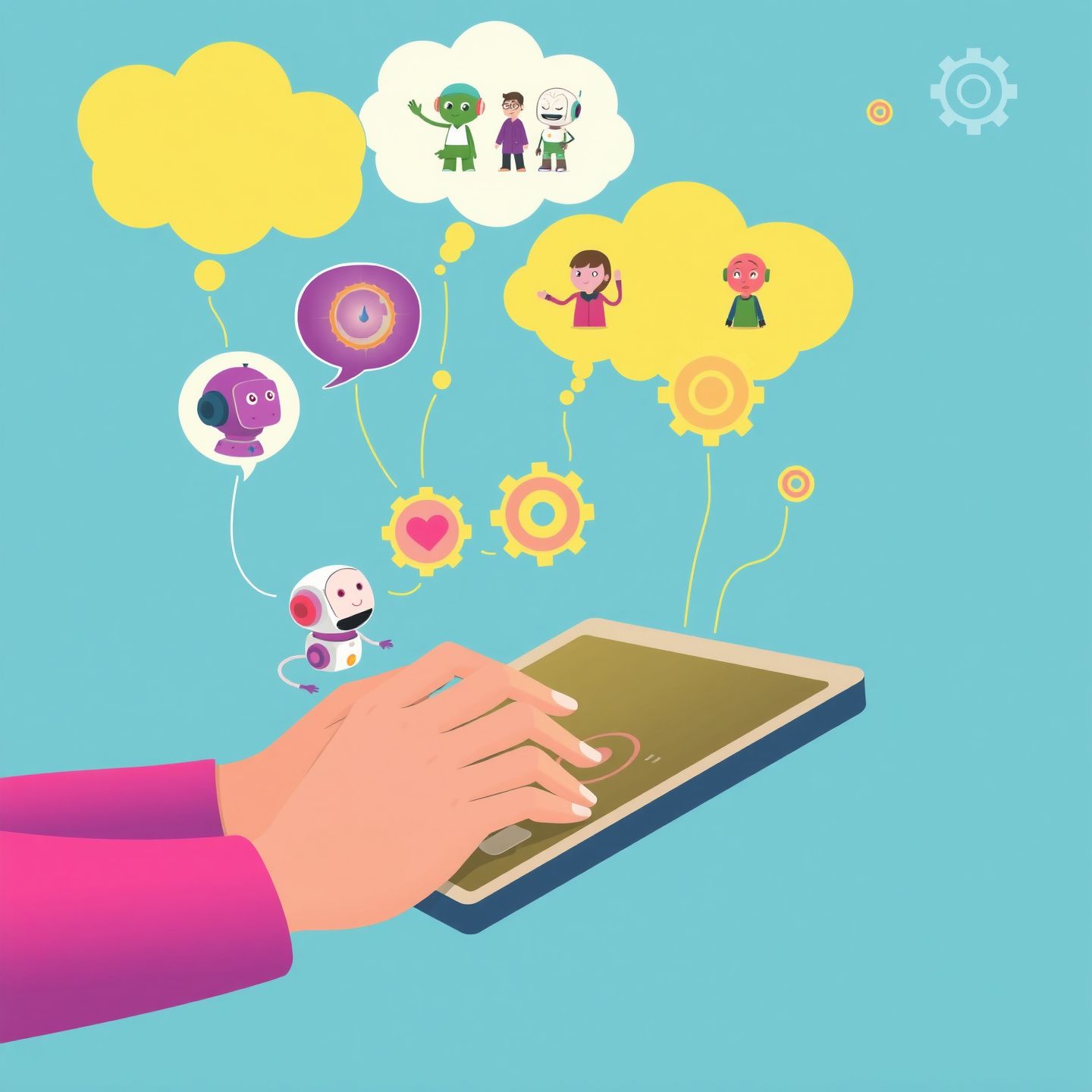
At its heart, Character.AI is like a digital playground for conversations. You pick or build AI characters—think superheroes, wise mentors, or quirky inventions of your own—and jump into text chats that feel surprisingly lifelike. Under the hood, it’s all driven by large language models, those massive AI brains trained on oceans of text and code to grasp context, crack jokes, or spin tales on the fly. Jump in with a pre-made character from pop culture, or roll up your sleeves to shape one yourself, tweaking everything from personality quirks to backstory details.
Here’s how it clicks: You type something, the AI sifts through patterns from its training, and out pops a reply that tries to keep the flow going, almost like bantering with a clever buddy. Remember, though—it’s pure machine magic, no real person pulling strings behind the screen. That setup sparks all sorts of fun, but it also opens the door to glitches, where responses veer off-script thanks to the quirks of training data. That’s why content moderation stays a hot topic; keeping things safe means wrestling with what the AI might spit out when least expected.
The Core Safety Concerns: A Deep Dive into Character.AI’s Risks
Character.AI pulls you in with its clever chats, but let’s be real—any AI platform carries baggage. Users and parents need to spot the trip wires, from dodgy outputs to how it might mess with your head. What follows is a closer look at the big ones.
Inappropriate Content and AI Hallucinations
The big red flag? Character.AI sometimes coughs up stuff that’s just not okay. Sure, they’ve got content filters in place, but nothing’s bulletproof. You could run into crude language, dark themes, or hints of something steamy—especially if the AI goes off the rails with “hallucinations,” those wild moments when it fabricates details that clash with reality or its guidelines. Developers battle this nonstop, yet crafty prompts from users can slip through, which hits hard for kids who might not see it coming. It’s a reminder that even smart tech has blind spots.
Data Privacy and Personal Information Security
No surprise here—Character.AI gathers data like chats, your IP address, device specs, and habits, all spelled out in its privacy policy. They explain the what, why, and any sharing with outsiders, but parents watching over children’s digital lives should dig into that fine print. In a world full of data breaches and cybersecurity headaches, anything you share could be a target. Think twice before dropping personal tidbits in those convos, and get savvy on how the platform tracks you.
Cyberbullying, Harassment, and Predatory Behavior
Mostly, it’s you versus the AI, but since folks can craft characters for the community to use, trouble can brew. Someone might build a bot primed for cyberbullying or targeted jabs, and with tons of creations flooding in, moderation can’t catch it all. Direct chats between users aren’t the main gig, yet links to forums or outside apps could drag in predatory behavior or creepy outreach. Stay sharp, report what smells off, and lean on those built-in tools to keep things in check.
Age Restrictions and Their Effectiveness
The rules say Character.AI is for 13 and up, often with parental okay for under-16s, and tweaks to 16+ or 18+ based on local laws. Sounds solid, right? Except online age checks are notoriously easy to fake—just lie about your birthday, and you’re in. For kids and teens who sneak past, the risks stack up: They might not spot inappropriate content or grasp the bigger picture, leaving them exposed in ways adults handle better.
Psychological Impact and Emotional Dependence
It’s not all about surface-level scares; these AI pals can sneak into your emotions. Imagine a teen or young kid latching onto a Character.AI buddy for laughs or advice—it might foster emotional dependence, muddling what’s real from what’s coded. That could stunt social growth, swapping messy human bonds for polished AI ones. If someone’s already shy in the real world, leaning too hard on this for support might ding their mental health. Key takeaway? Remind yourself it’s all simulation, and balance it with face-to-face connections to stay grounded.
Proactive Measures: How to Use Character.AI Safely and Responsibly
Turning potential pitfalls into smooth sailing on Character.AI takes effort from everyone involved. Mix smart platform know-how with hands-on guidance and a dose of online smarts, and you’ll cut those risks down to size. Here’s how to make it work.
Parental Controls and Supervision Strategies
Parents, don’t just set it and forget it—get in the mix. Tools like parental control apps can lock down devices or track time spent, but nothing beats sitting down for a peek at the chats now and then. Try using it together; it builds trust while spotting issues early. Keep the dialogue going: Chat about online safety, decode how AI ticks, and draw lines on what’s off-limits. Cover safe sharing and red flags for inappropriate content, turning it into a team effort rather than a lecture.
User Best Practices for Privacy and Content Management
Whether you’re a teen or anyone else, guard your space fiercely. Skip spilling real-life details—no full names, addresses, numbers, or school deets—to the AI characters or anyone else lurking. Lock your account with a rock-solid password to fend off cybersecurity threats. Hit weird or inappropriate content? Flag it right away through the report button. Tweak those privacy settings in Character.AI to dial in what others see, giving you more say over your digital footprint.
Fostering Digital Literacy and Critical Thinking
Restrictions are a start, but teaching children and teens to think sharp online? That’s the real game-changer. Show them how to question AI replies—it’s not alive, just echoing patterns—and spot the difference from talking to a person. Break down how it might spit out fibs or get nudged into odd territory. Build up digital citizenship so they’re not passive scrollers, but savvy navigators who call out tricks and choose wisely in every interaction.
Understanding Character.AI’s Safety Center and Terms of Service
Take a beat to hit up the Character.AI Safety Center and pore over the Terms of Service. You’ll find the lowdown on moderation rules, do’s and don’ts for users, and how they handle data privacy. It clears up what the platform promises for safety, bans certain behaviors, and points to help if things go sideways. Knowing the playbook upfront keeps you one step ahead.
The Evolving Landscape of AI Safety: What Lies Ahead
AI’s march forward shows no signs of slowing, and neither should our push for better safeguards. As AI technology levels up, expect tougher talks on AI ethics and smarter regulation worldwide, especially to shield kids from harm. Look for upgrades like sharper content filters, foolproof age checks, and easier ways to report trouble.
In the end, a secure AI world demands teamwork. Developers need to bake in ethics from the start; lawmakers, craft rules that stick; and parents with educators, arm the next generation with digital chops and sharp minds. Get that right, and tools like Character.AI shine for learning and fun, with the rough edges sanded down.
Conclusion: Making Informed Choices About Character.AI
So, is Character.AI safe? It’s not black and white—more like a mix of thrills and cautions, much like any corner of the web. It opens doors to imaginative chats and solo creativity, yet flags like inappropriate content, data privacy gaps, and emotional hooks for children and teens deserve real scrutiny. Safety boils down to smart choices: Stay alert, talk it out, and layer on defenses like parental controls plus solid digital know-how. Grasp how it runs, own its limits, and use it thoughtfully, and Character.AI becomes a worthwhile tool—precautions and all.
FAQ Block
Is Character.AI safe for children under 13, even with parental supervision?
Character.AI sets its minimum age at 13+, often needing parental consent for those under 16, with some areas requiring 16+ or 18+. For kids below 13, it’s usually best to steer clear, even supervised—the risk of inappropriate content, tricky AI dynamics, and moderation gaps can overwhelm. Plus, their developing minds might struggle to separate AI from real people, adding emotional layers to watch.
Can Character.AI generate inappropriate or sexually explicit content, and how can I prevent it?
Yes, filters aside, Character.AI can produce inappropriate or explicit material through AI glitches or clever prompts. Steer clear of suggestive topics, report bad responses fast, and if you’re a parent, layer on control software while chatting openly about spotting and flagging issues.
Does Character.AI collect and share my personal data, and how private are my conversations?
Like other sites, Character.AI gathers chat logs, IP addresses, and usage data per its privacy policy. Privacy is a goal, but chats get stored and processed by the system, so treat them as non-private—avoid sensitive shares, assuming the platform could access what you enter.
What are the official age restrictions for Character.AI, and how are they enforced?
Character.AI’s baseline is 13+, varying to 16+ or 18+ by region or terms. Enforcement hinges on self-reported age at signup, but verification is tough online, so younger users often slip in with inaccurate details.
How can parents effectively monitor their child’s interactions on Character.AI?
Parents can keep tabs by talking regularly about online habits, setting usage rules, and checking chats side-by-side now and then. Parental control apps manage time and access, while joint sessions offer direct insight and natural teachable moments.
Are there risks of cyberbullying or online predators through Character.AI?
Though it’s mostly user-to-AI, dangers lurk—malicious characters could harass, or platform ties to external chats might invite bullying or predators. Stay aware of interaction types, and report anything off to stay protected.
Can using Character.AI negatively impact a child’s mental health or social development?
Yes, potential downsides exist for kids, like growing too attached to AI companions, confusing virtual for real, or skipping human social practice. Balance screen time with real connections to head off these effects.
What steps should I take if I or my child encounter harmful content on Character.AI?
Stop the chat immediately, then use the report tool to flag it—platforms like this have straightforward ways to highlight problems. Follow up by discussing it, refreshing safety guidelines, and tweaking controls or settings as needed.
How does Character.AI’s safety compare to other popular AI chatbots or social media platforms?
Its filters and privacy match many AI chatbots, though details differ. Unlike social media’s direct peer risks, Character.AI sidesteps some bullying but amps up AI-specific issues like unexpected content or attachment.
Is it possible to completely delete my Character.AI account and all associated data?
Yes, Character.AI lets users delete accounts via settings instructions. This clears visible data and halts new collection, but check the privacy policy for any retained backups or anonymized analytics.


